
Officine Petrucci is a living workshop for design, craft, food, agriculture, restoration and cultural experimentation.
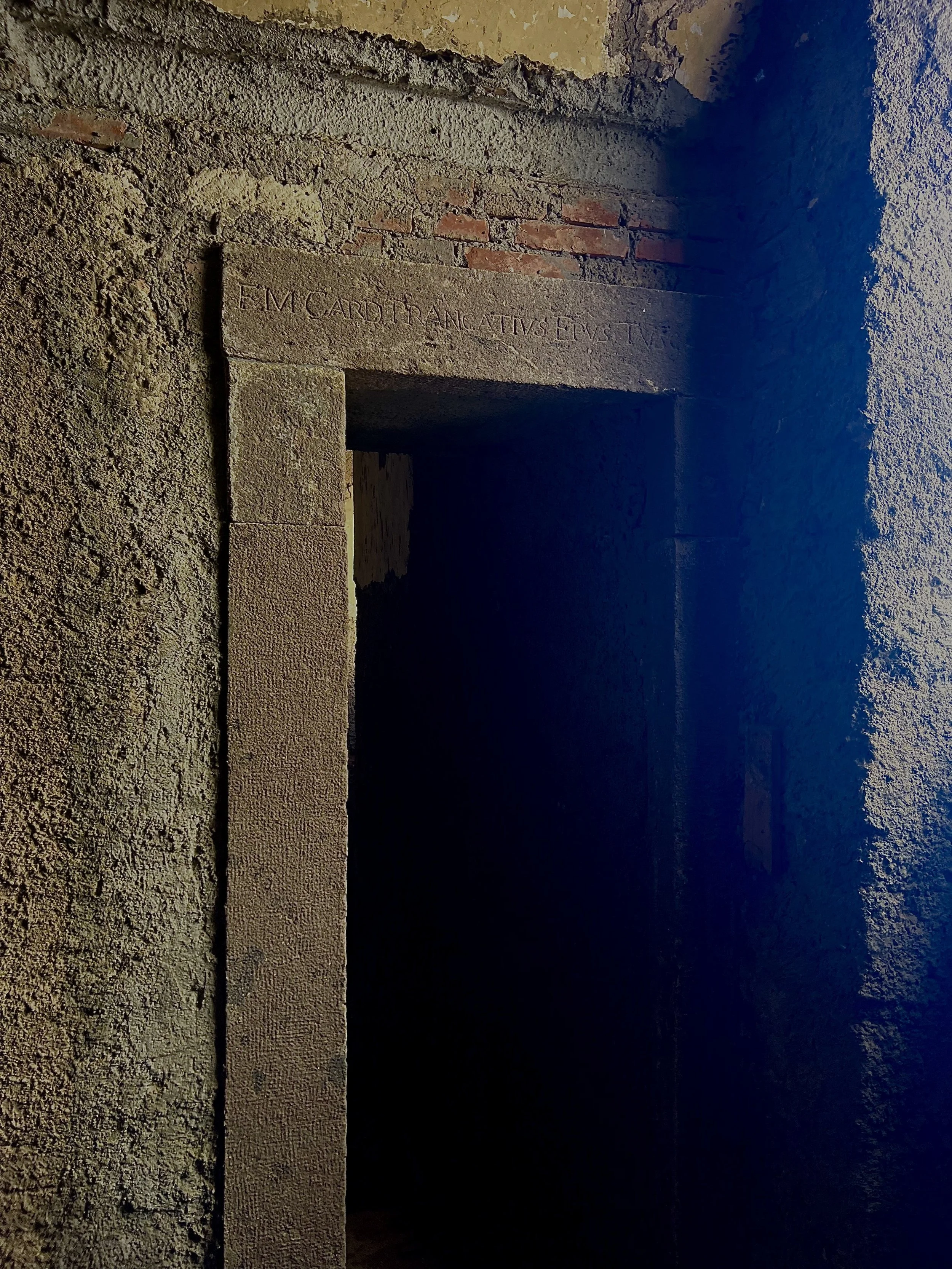
It was created to bring together interests and disciplines that had always existed alongside one another but rarely within the same structure: design, craft, food, agriculture, restoration, furniture, objects, vehicles, materials and cultural research.
The perspective is rooted in Rome and Tuscia, but shaped equally by decades of work between Italy and California. That distance created a useful tension: between inherited culture and contemporary life, between what belongs to a place and what can travel, between tradition and invention.
Officine works through selection, transformation and making. Some things are designed from nothing. Some are restored. Some are cultivated. Some are found. Others begin through collaboration with people whose knowledge, craft or material belongs within the same conversation.
The common denominator is judgment.
What matters is not the category, but the reason something deserves to exist, remain, or be reconsidered.
Founded by Cardenio Petrucci.
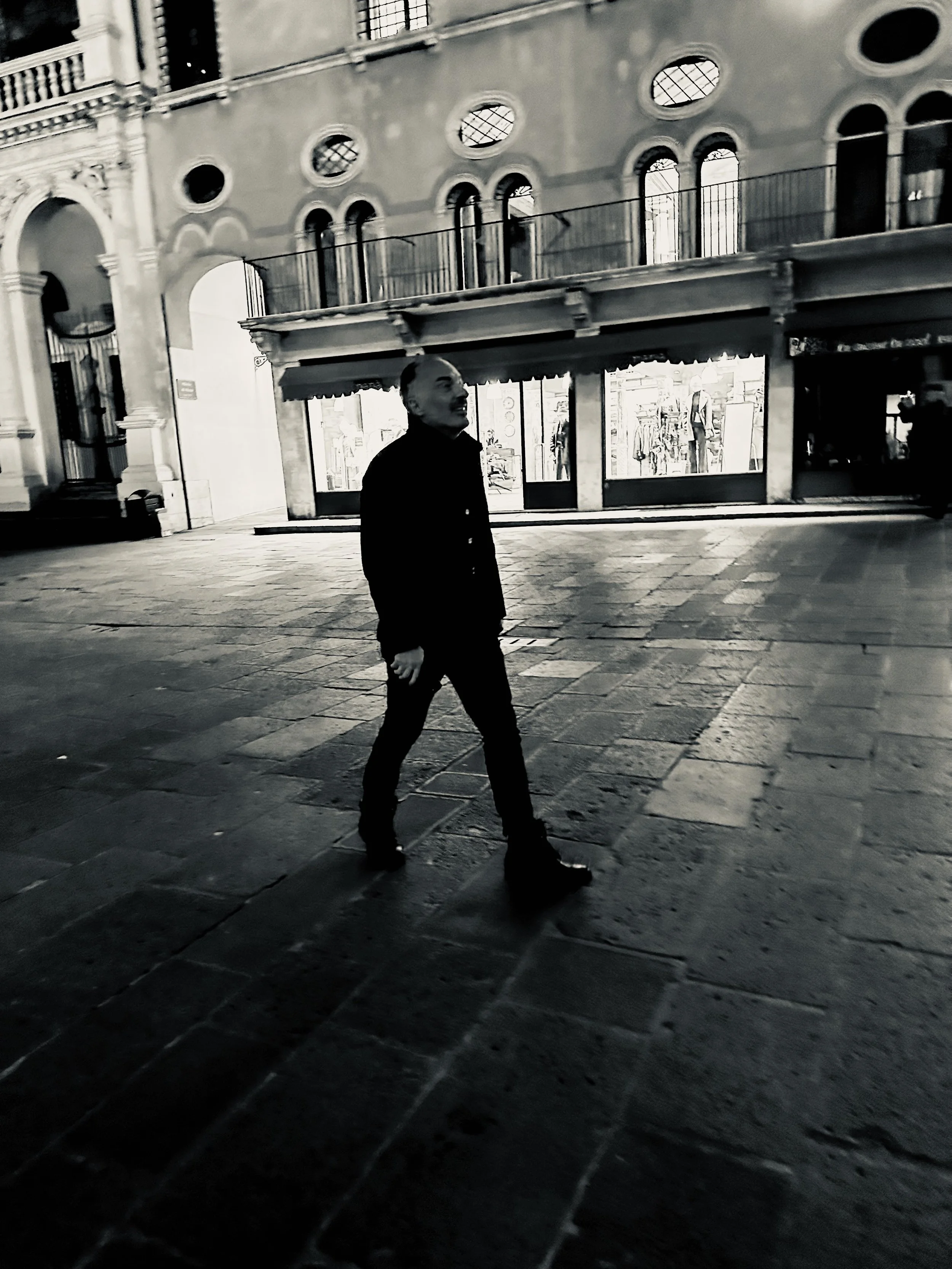
Officine is an extension of Cardenio Petrucci’s wider practice, but not a personal portfolio.
It gives form to references accumulated over a lifetime through design, architecture, manufacturing, food, travel, collecting, agriculture and the places that shaped him.
The intention is not simply to produce objects or products, but to share a way of looking: why something was made, where it comes from, what knowledge it contains, and how it might continue to have meaning now.
Cardenio’s broader work as a designer, creative director and entrepreneur can be found at cardeniopetrucci.com.
Juxtapositions
The work moves between objects, food, agriculture, historic furniture, cars, territory and the Casale. These are not separate worlds, but different ways of working through the same concerns: material, provenance, use, continuity and judgment.
These are different expressions of the same practice.
Some become things that can be acquired. Others remain experiments, restorations, research, places, or encounters.
Craft is the method. Reduction is the ethic. Continuity is the measure.