
A Cultural Juxtaposition.
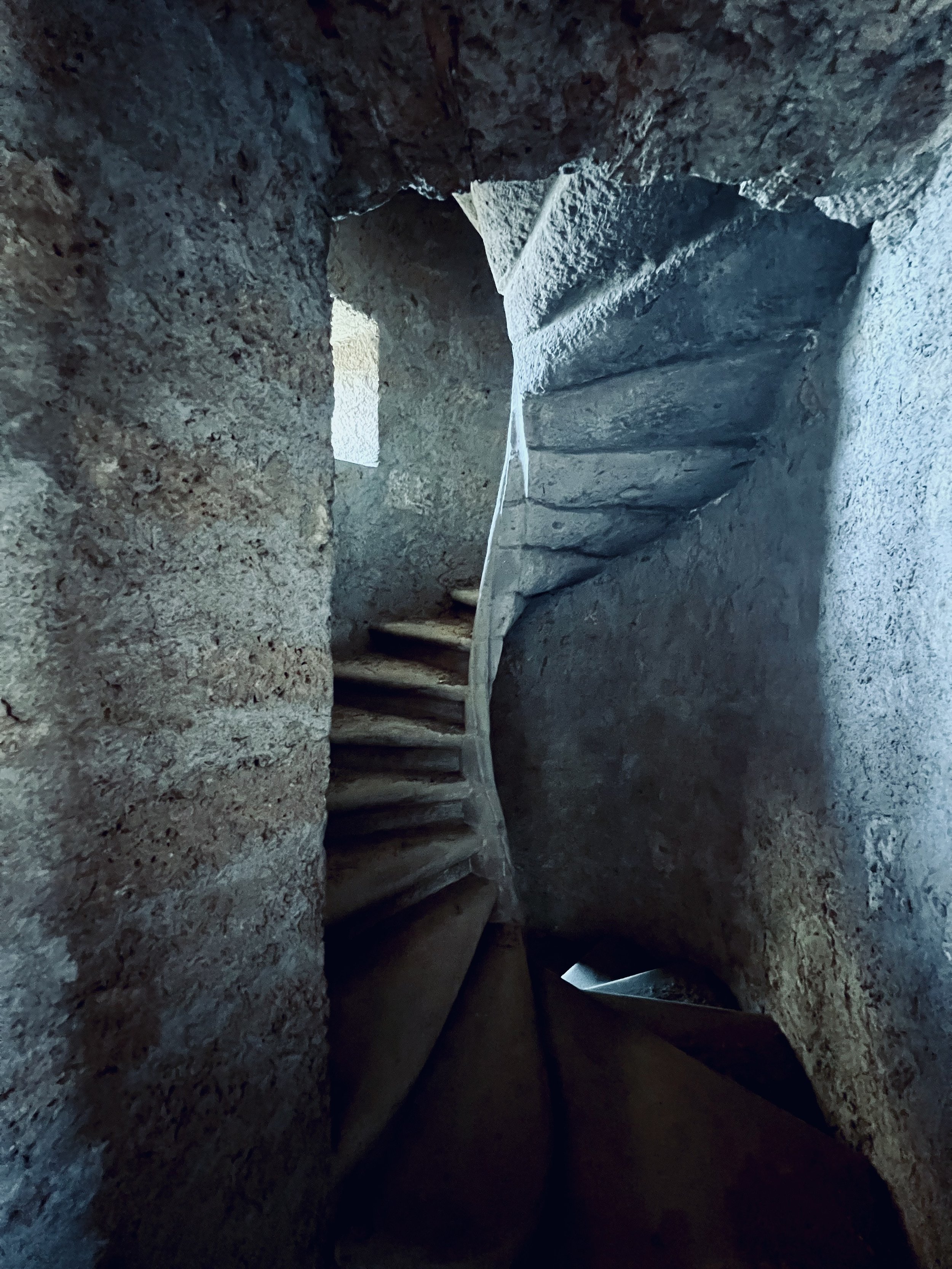
A living workshop for design, craft, food, agriculture, restoration and material culture.
OFFICINE PETRUCCI
Officine Petrucci is a workshop before it is a brand. A place for multiple disciplines and a single evolving vision. It brings together design, craft, food, agriculture, restoration and cultural experimentation, allowing things usually kept apart to exist within the same conversation.
WHY OFFICINE?
Officine is the plural of the Italian officina, a word rooted in the Latin opus and facere: work and making. It referred broadly to workshops, craftspeople and places of production. The plural is deliberate. Officine Petrucci is not one workshop, but many forms of making under one vision.
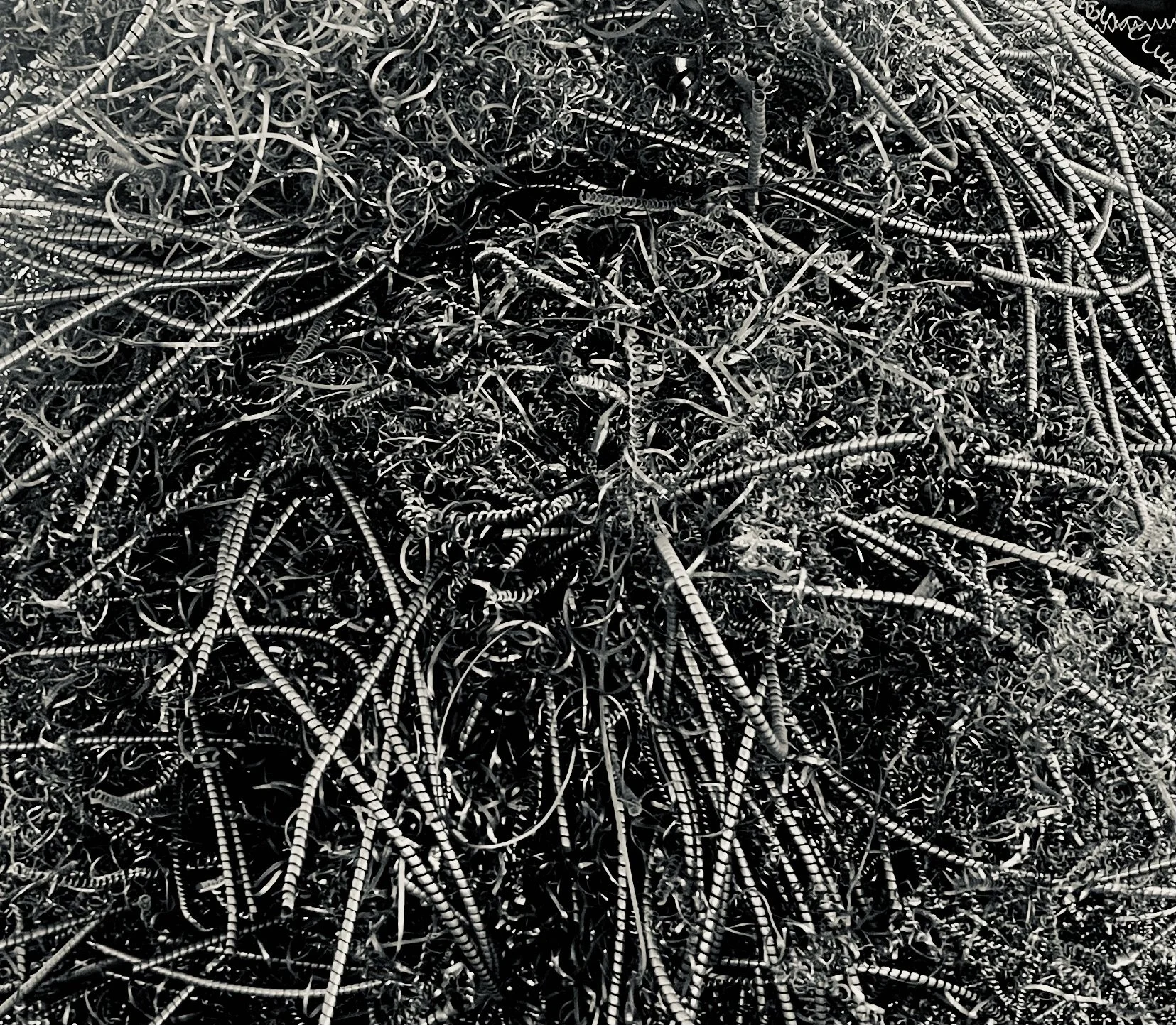
Metal shavings — Fabrication process, Italy
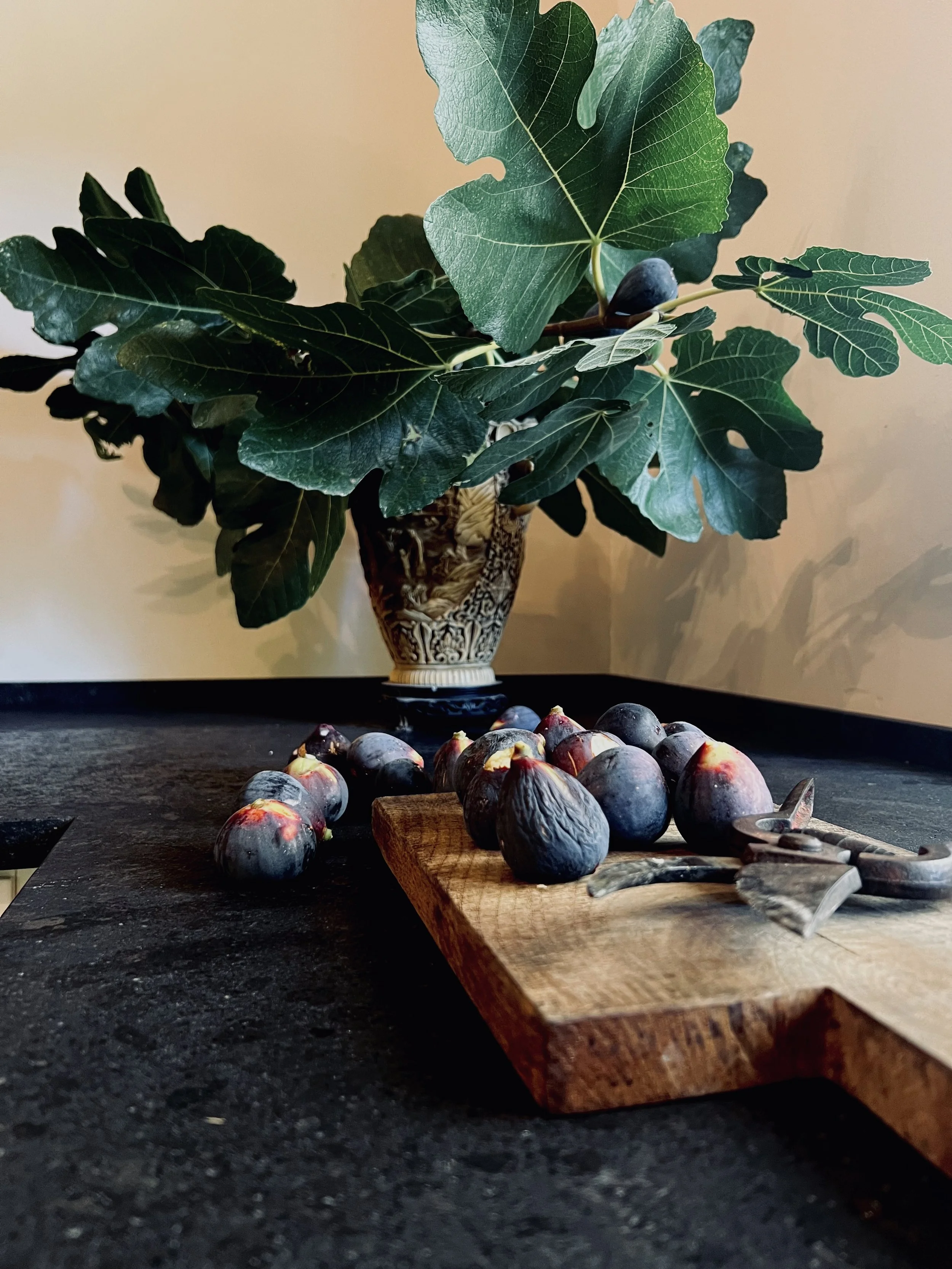
Figs — Casale Fallarese, Tuscia
A COMMON VOCABULARY
It begins with a way of looking: at an object, a material, a recipe, a car, a room, a landscape. Some things arrive with history. Others begin as an idea. The same sensibility determines what is kept, what is changed, what is made, and what is left alone.
Its language comes from a culture lived from within: through material, ritual, work, use, memory, and place.
This is not an exercise in nostalgia, nor an attempt to package a version of Italy.
It is a continuing act of interpretation: taking what has value, understanding why it matters, and deciding what it can become next.
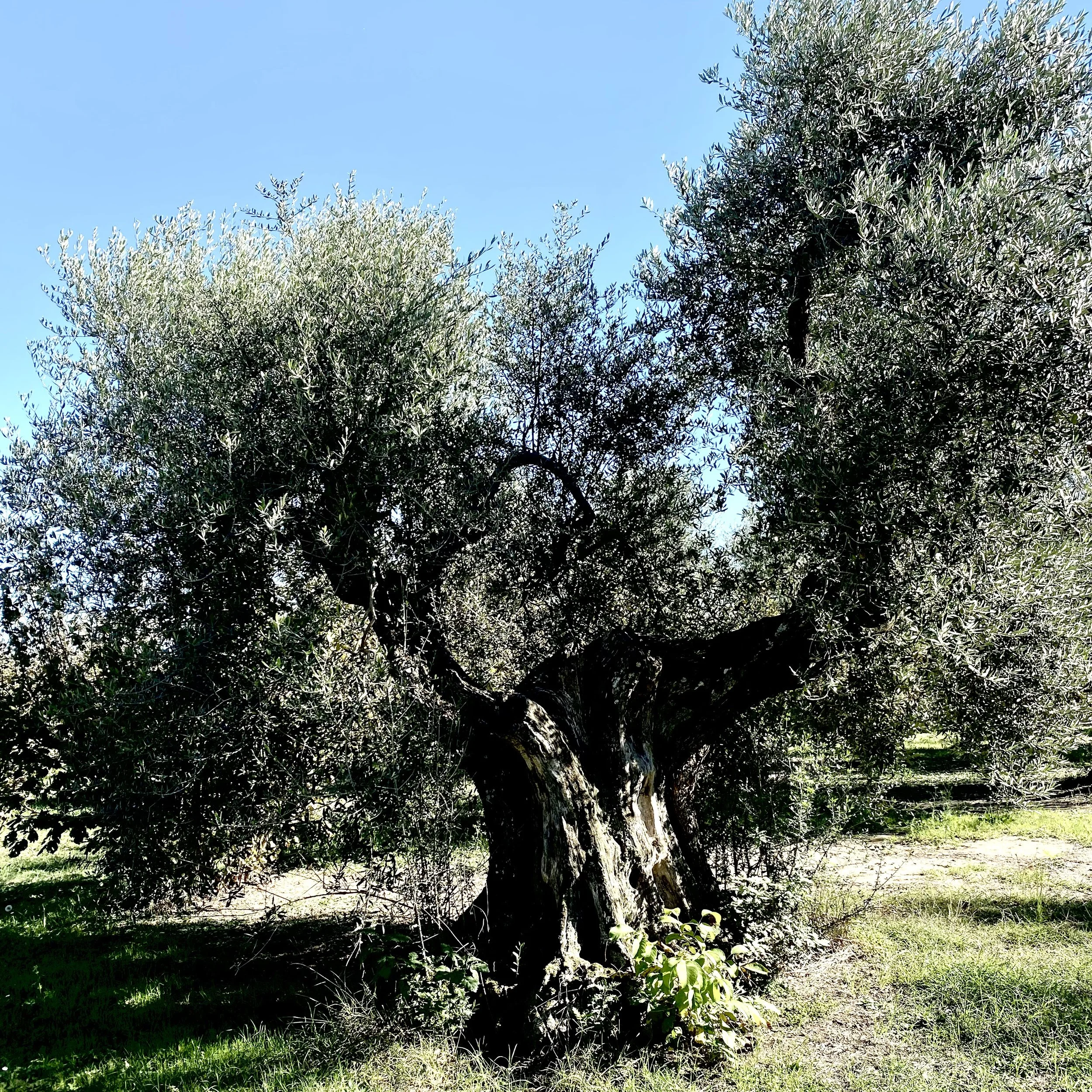
Ancient olive tree — Corchiano, Tuscia
Rome and Tuscia are present not as themes, but as references absorbed over time: in proportion, stone, food, agriculture, craft, and in the way things are made and used.
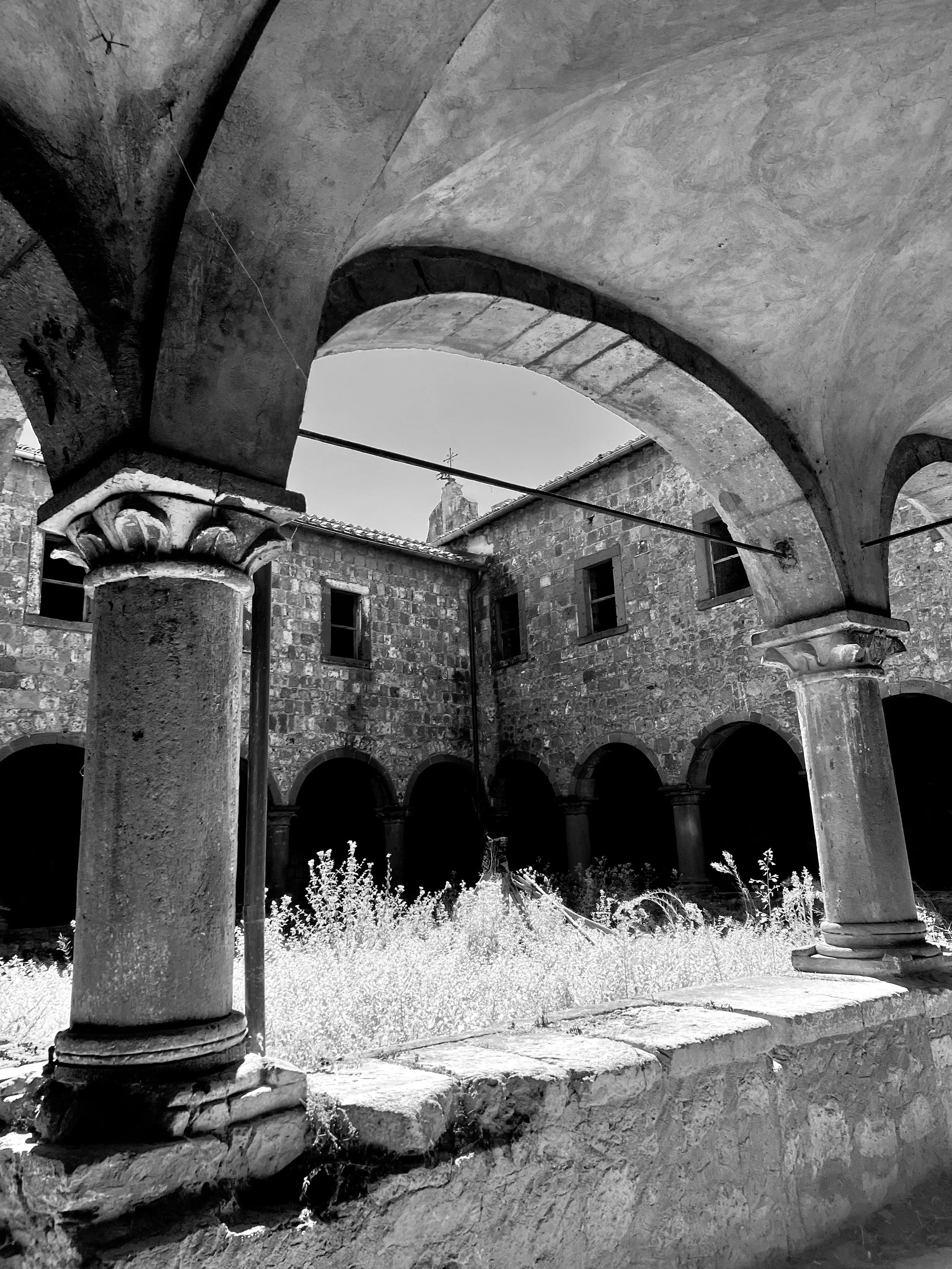
Chiostro — Tuscania, Tuscia
FOUNDED BY CARDENIO PETRUCCI
Officine Petrucci is Cardenio Petrucci’s way of bringing together a world that has always existed across his work and life, but rarely within a single discipline.
Design, architecture, food, agriculture, furniture, cars, objects, materials, craft, history and the places that shaped him are not separate interests. They belong to the same vocabulary.
Officine is a way to share that vocabulary. It gives form to references accumulated over a lifetime: things inherited, discovered, studied, collected, designed, tasted, restored and reconsidered. Some become objects. Some become food. Some become restorations or new ideas. Others are simply worth understanding and passing on.
There is an educational impulse in this as well—not instruction in the conventional sense, but an invitation to look more closely: to understand where something comes from, why it was made in a particular way, what knowledge it carries, and why that knowledge may still matter.
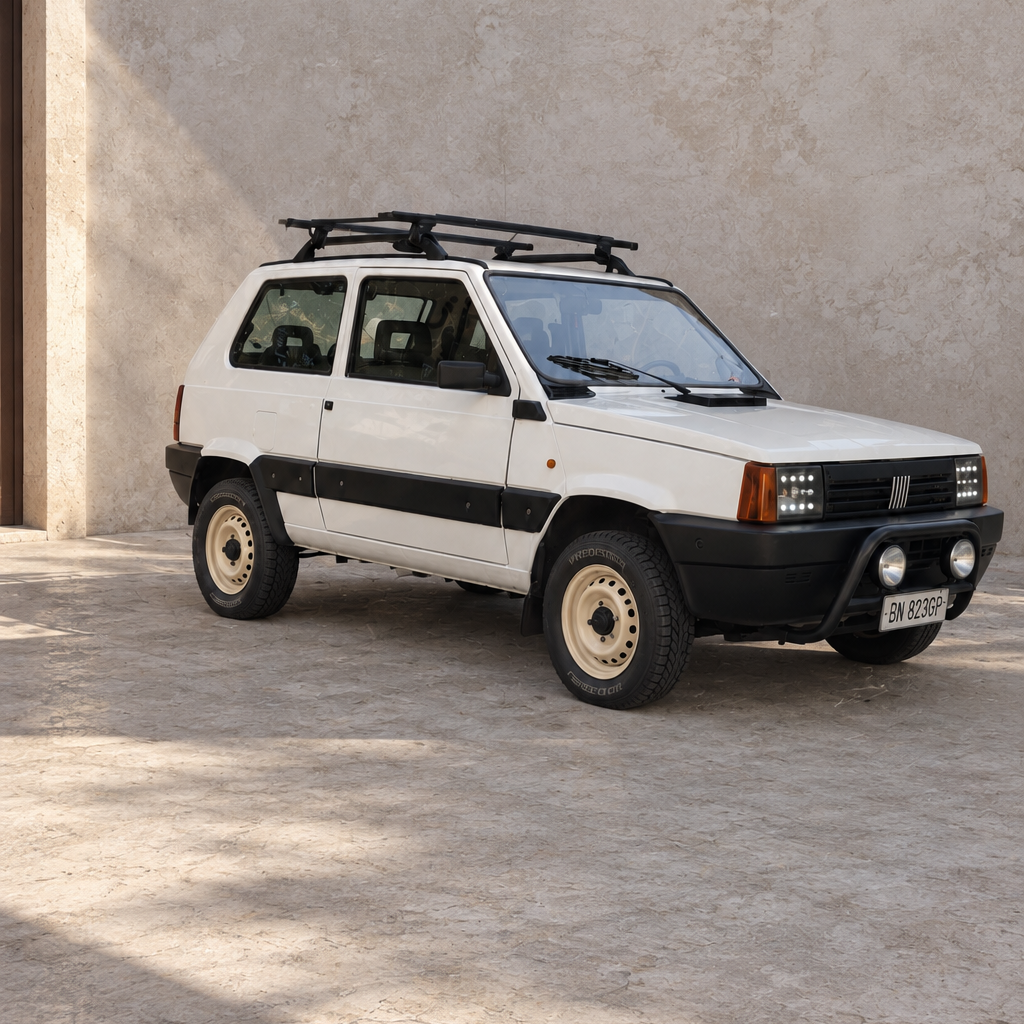
Fiat Panda — An ongoing Officine Petrucci project
History and tradition are not fixed models to reproduce. They are material to work with: respected, questioned, transformed and carried forward.
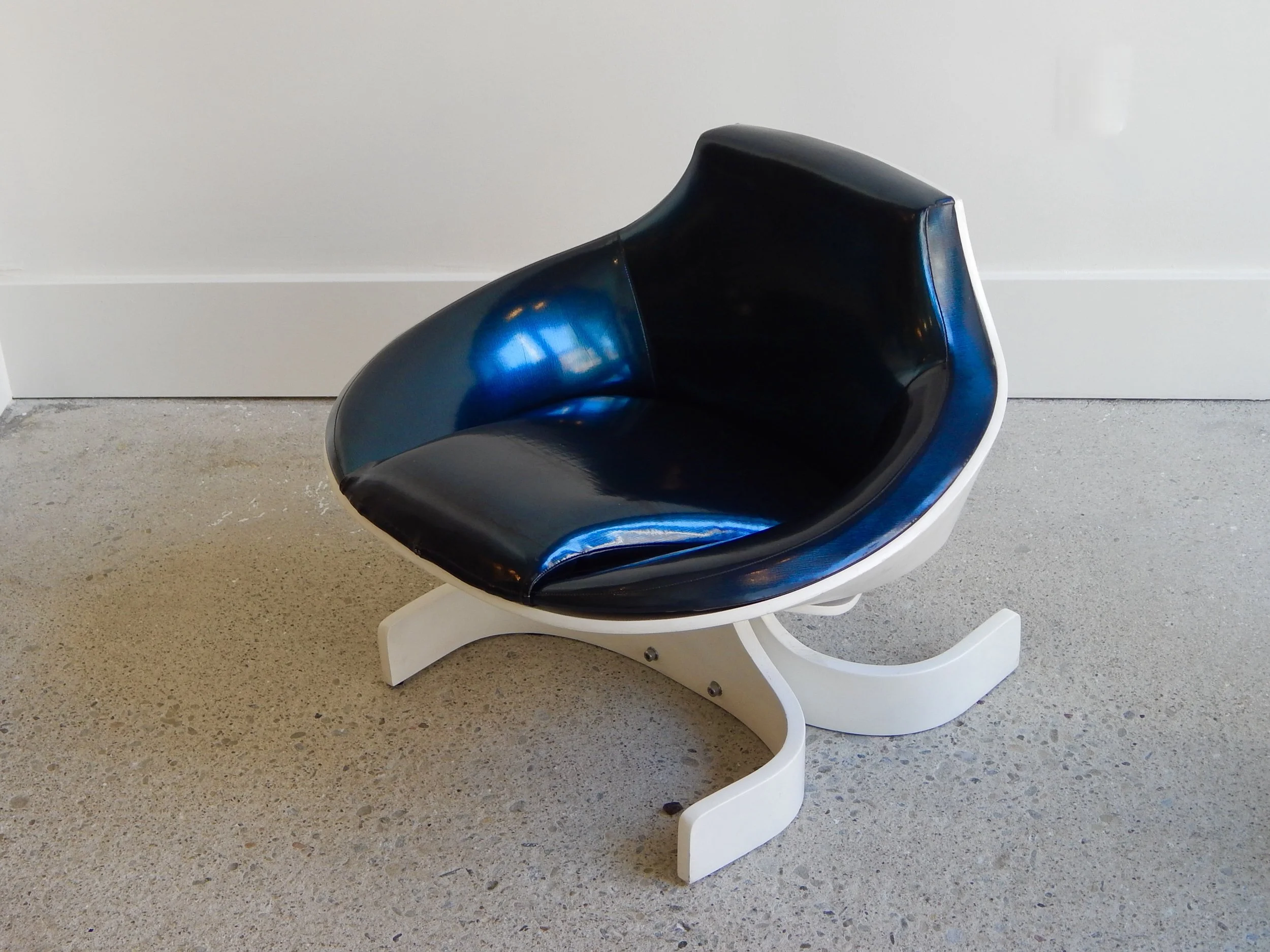
Joe Colombo armchair — Selected by Officine Petrucci
METHOD
Craft is our method. Reduction is our ethic. Continuity is our measure of success.
We work across categories that are usually kept apart. Not to confuse them, but to reveal their common structure.
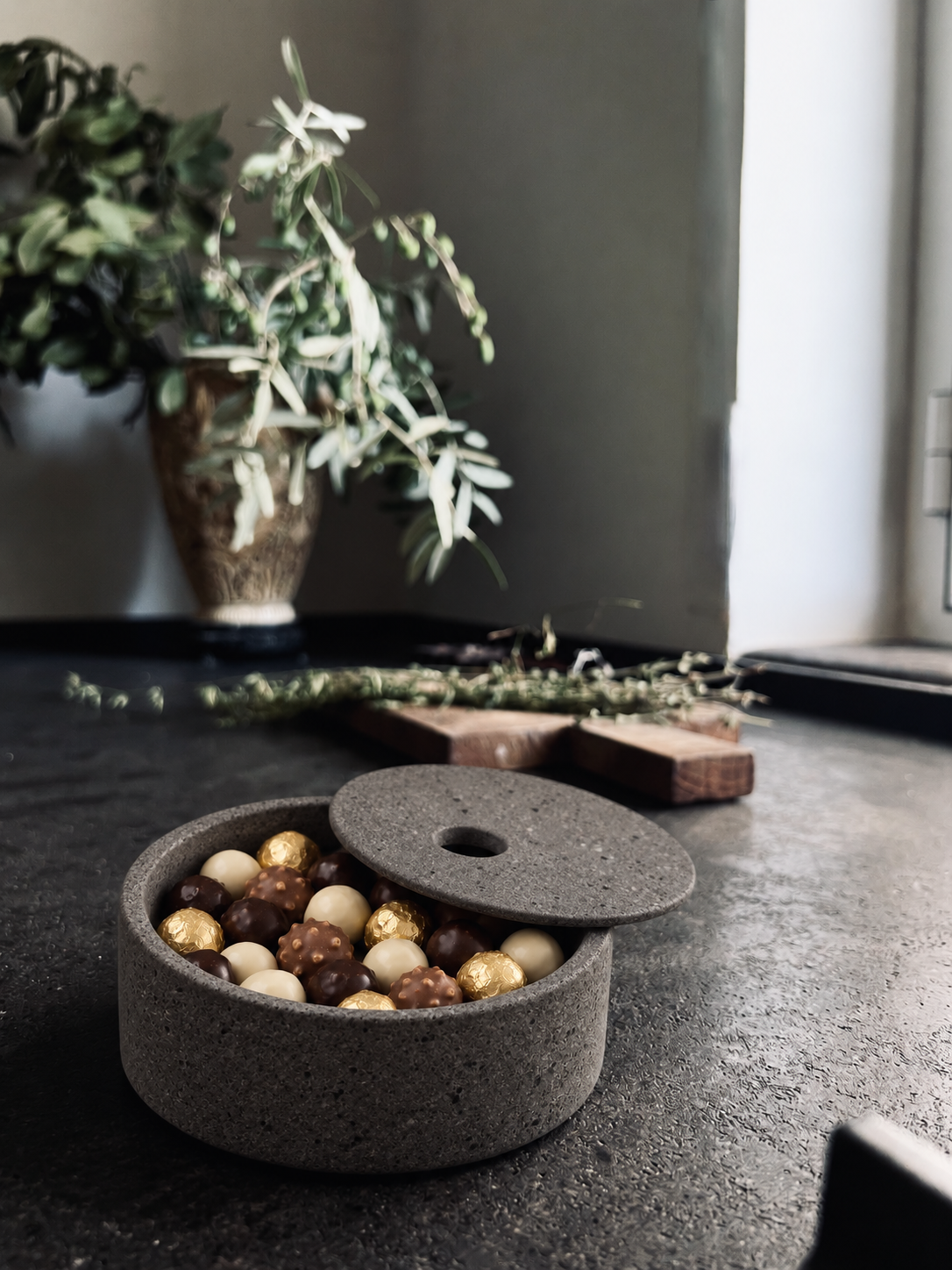
Peperino box — Officine Petrucci object, Tuscia
A place where some of those ideas become things you can own.
AVAILABLE FROM OFFICINE PETRUCCI
Selected objects, editions, food and historic pieces, offered with the same attention to provenance, material and use.